1). Role of mitochondria in brain ischemia/reperfusion
2). Reactive oxygen species generation in the brain tissue
3). Ammonia metabolism in the brain tissue
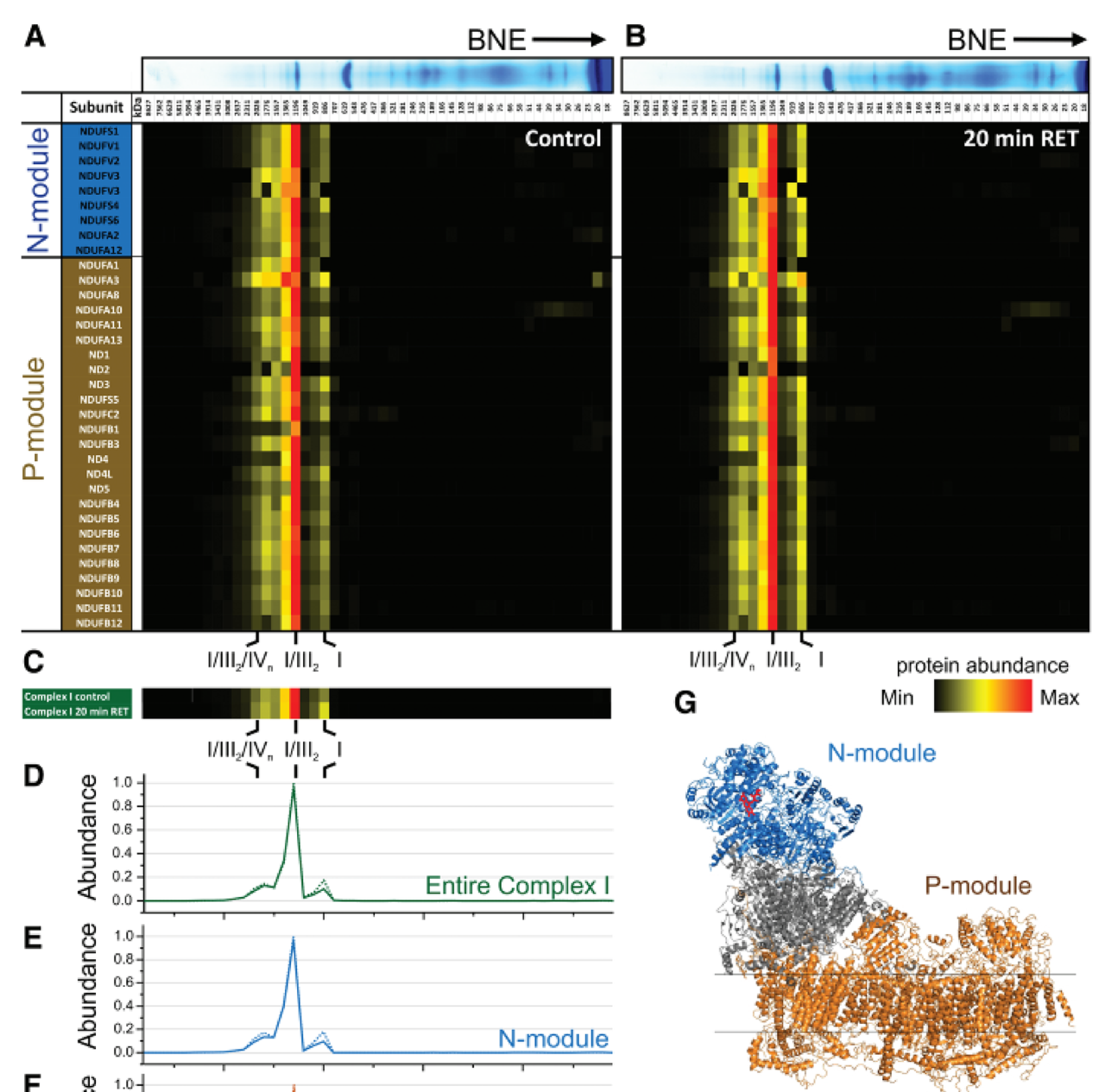
4). Ischemia-induced conformational changes of mitochondrial complex I.
We investigate how mitochondrial metabolism and redox regulation shape cellular responses to oxygen deprivation and contribute to brain injury, with the goal of identifying mechanisms that can be targeted to preserve tissue function in neurodegenerative pathologies and improve recovery after stroke.
My research examines how mitochondria respond to oxygen deprivation and reoxygenation, and how these responses influence tissue injury and recovery, particularly in the brain. I am interested in the idea that mitochondria are not simply sources of cellular energy, but also central regulators of metabolism, redox balance, and stress signaling that can determine whether cells adapt, survive, or are damaged under pathological conditions.
My laboratory investigates the biochemical mechanisms that govern mitochondrial function in hypoxic-ischemic and ischemia-reperfusion injury, with a major focus on the neonatal brain. We combine animal models, primary cell culture, isolated mitochondria, and enzymological approaches to study how oxygen deprivation alters electron transfer, reactive oxygen species production, and metabolic regulation. A central area of interest is mitochondrial oxidative phosphorylation system and the ways its functional transitions contribute to both injury and recovery.
We also study how metabolic substrates, tissue environment, and reperfusion conditions shape mitochondrial dysfunction and repair. By integrating biochemistry with physiological and metabolomic approaches, our work aims to define the pathways that drive injury progression and identify mechanisms that may be therapeutically targeted. The broader goal of this research is to advance understanding of mitochondrial biology in disease and to support the development of strategies that preserve tissue function after interrupted oxygen supply.
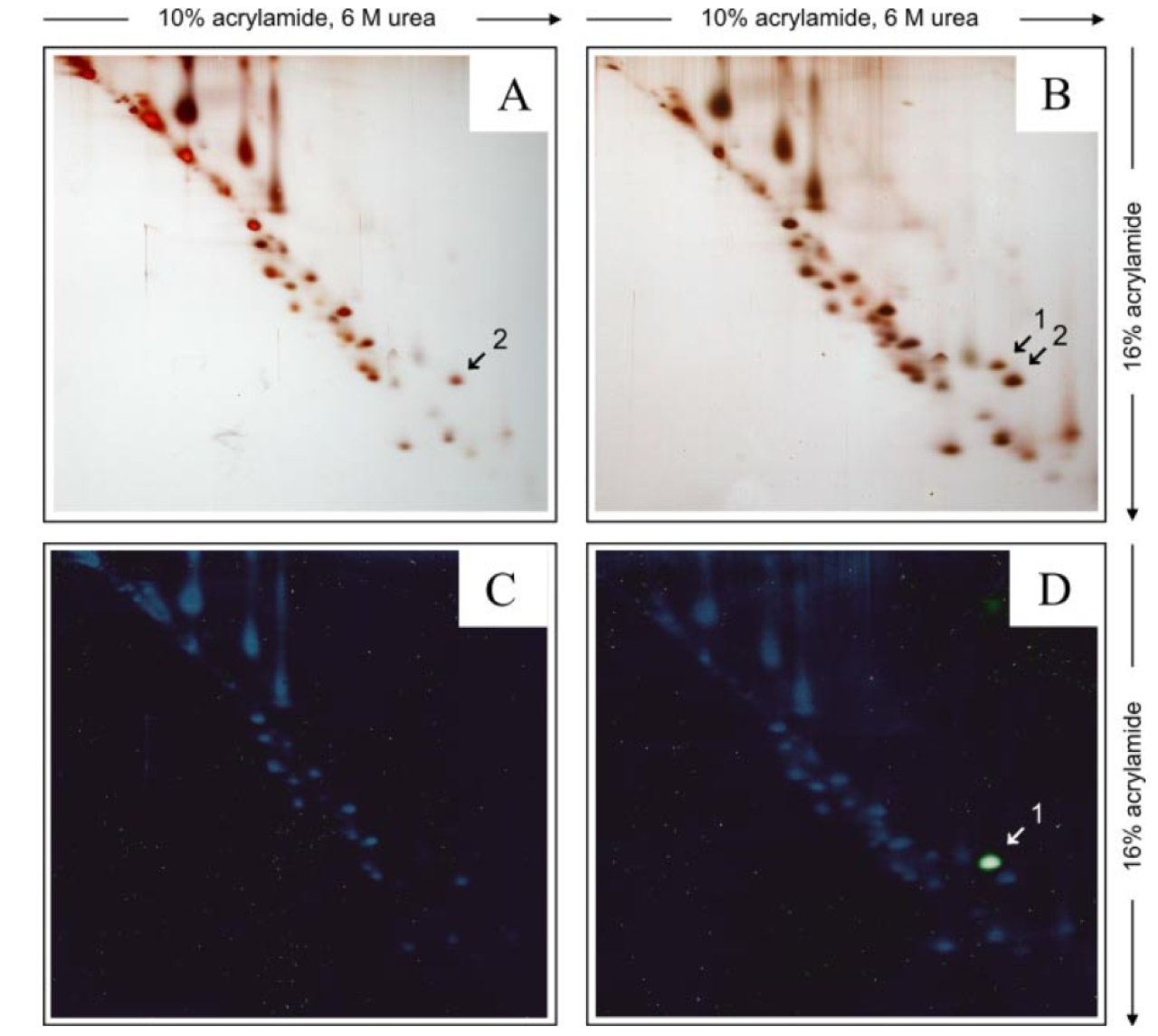
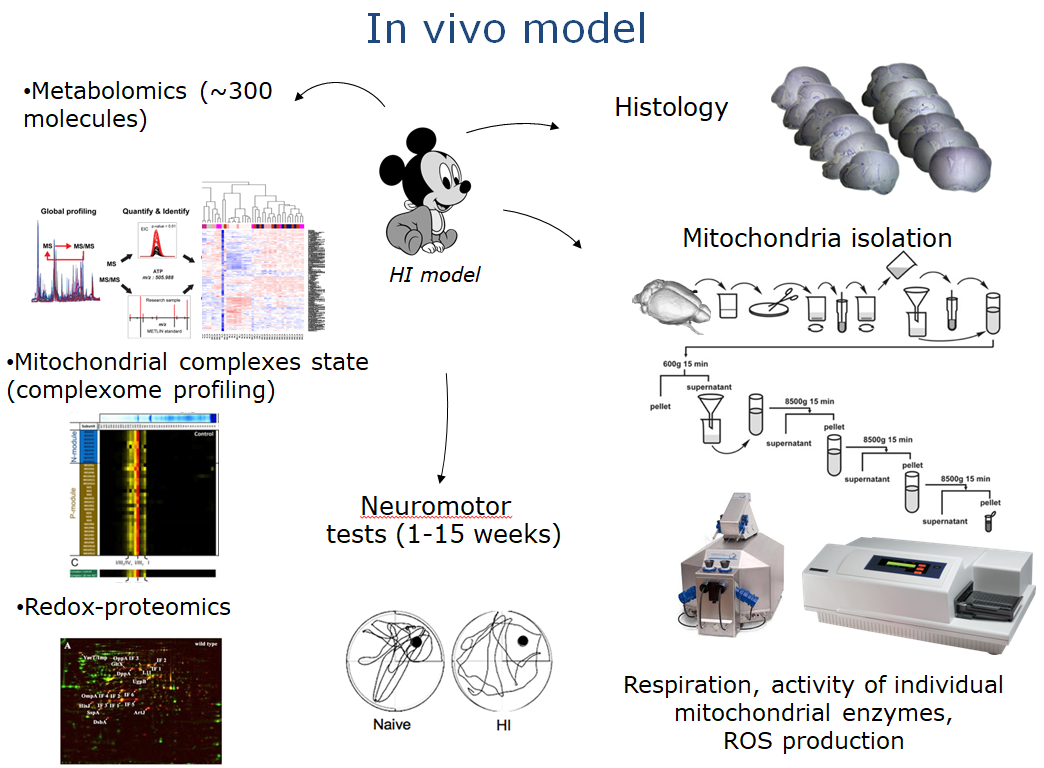
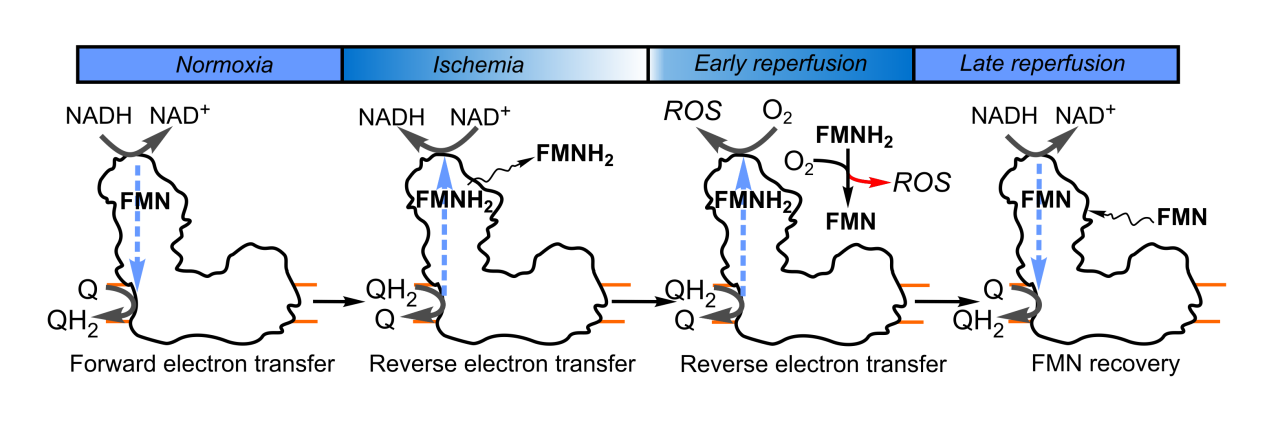
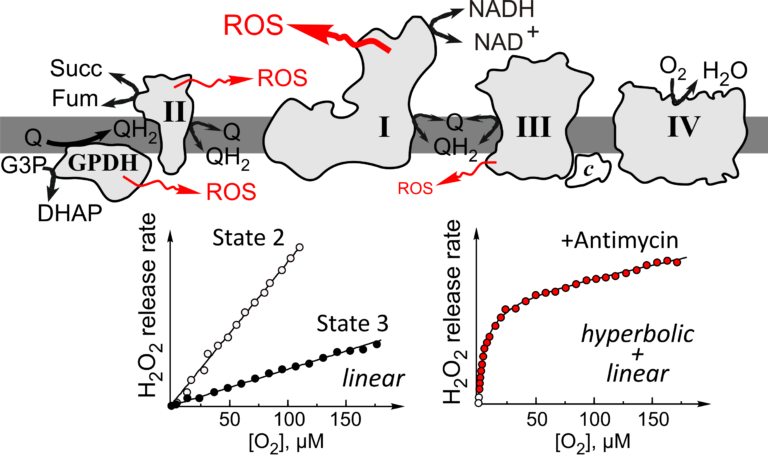
Figure 1.
Figure 2.
Figure 3.
Figure 4.
Figure 5.
Biography
Alexander Galkin is Associate Professor of Neuroscience at the Brain and Mind Research Institute, Weill Cornell Medicine. He earned his Ph.D. in Biochemistry from Moscow State University, Russia, where he studied the mechanisms of proton translocation in mitochondria. As a postdoctoral fellow, he worked in Uli Brandt’s Molecular Bioenergetics group in Frankfurt and in Sir Salvador Moncada’s Cardiovascular Pharmacology laboratory at the Wolfson Institute, University College London. His current research focuses on the role of mitochondrial metabolism and redox regulation in pathological conditions associated with oxygen deprivation.
Stepanova, A., Konrad, C., Guerrero-Castillo, S., Manfredi, G., Vannucci, S., Arnold, S., & Galkin, A. (2019). Deactivation of mitochondrial complex I after hypoxia-ischemia in the immature brain. Journal of cerebral blood flow and metabolism : official journal of the International Society of Cerebral Blood Flow and Metabolism, 39(9), 1790–1802.